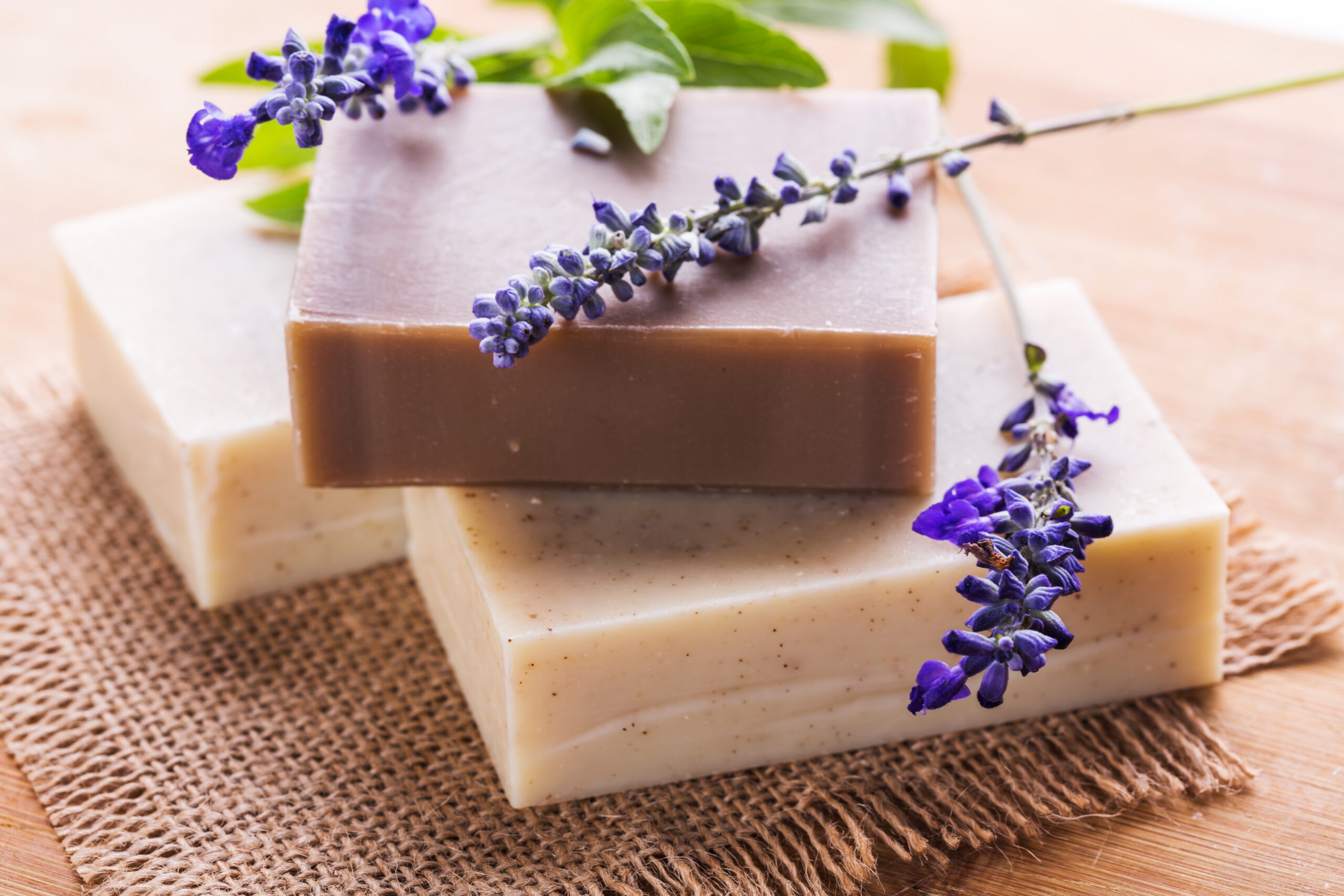
Whether a die-hard skincare advocate or a minimalist who keeps cleansing routines simple, consumers have likely noticed a shift towards a clean beauty movement, anchored around products perceived as safe, non-toxic, and transparent. This ingredient-conscious era has seen substantial growth, driven by Gen Z and Millennials and by terms like plant-based, all-natural, and vegan, but with this elevated enthusiasm for this new product category also comes risk, as these descriptions are not heavily regulated. When a consumer sees them advertised on skincare packaging, they often mistakenly assume the product is 100% natural, vegan, or plant-based.
The truth about natural, plant-based skincare ingredients is that they are not all created equal. While individuals may feel more comfortable purchasing products with ingredients that they recognize and that are derived from a natural landscape, many may not be as sustainably sourced as implied.
Does it work? Is it responsibly sourced?
When evaluating a product’s natural claims, consumers must start with evidence of efficacy rather than relying on marketing claims. Does reliable research exist supporting the ingredient’s alleged skin benefits? Next up comes valuing products based on reported safety & skin compatibility. Are the ingredients traditionally well tolerated, with minimal potential for irritation, allergy, or sensitization? Finally, a review of sourcing and sustainability claims is warranted. Is the plant responsibly sourced, with consideration for farming practices, biodiversity, and environmental impact? Only then can consumers truly assess whether a product truly lives up to the desired natural, plant-based results.
Below, Bradford Labs’ team of R&D experts shines a spotlight on some of the most effective plant-based skincare ingredients, components that, if ethically sourced, can provide consumers with ease of mind in the checkout line while also generating the desired results at home.

Aloe Vera:
Aloe vera, also called Aloe barbadensis, is a widely cultivated succulent perennial green plant that grows wild in hot, dry climates, such as Africa and around the Mediterranean. Traditionally known for its ability to soothe painful sunburns, the plant, packed with antioxidants, minerals, and vitamins, is increasingly becoming a staple in skincare formulations, too. Naturally anti-inflammatory, the ancient plant is also antibacterial, antiviral, antiseptic, and has wound-healing properties, while also being clinically proven to deeply hydrate, minimize the appearance of wrinkles, reduce acne, relieve skin irritation, and soothe redness and swelling.
Aloe Vera is a key component in Bradford Labs’s Shower & Shave Bar, Shave Stick, and Aftershave Stick formulations.
Sources:
DermNet: https://dermnetnz.org/topics/aloe-vera-and-the-skin
Healthline: https://www.healthline.com/health/beauty-skin-care/aloe-vera-for-face
Marshmallow Extract
Marshmallow root (Althaea Officinalis) extract is a popular natural botanical ingredient used in skincare for its high concentration of mucilage, which is a thick, gel-like substance that delivers intense hydration, calms irritation, and supports a compromised skin barrier. The extract’s anti-inflammatory properties make it a great choice for people with skin conditions, such as eczema or rosacea. Having played a role in herbal medicine for centuries, the popular and effective ingredient’s scientific name even comes from the Greek word meaning “heal.”
Marshmallow extract is a key component in Bradford Labs’s Triple Defense Deodorant formulation.
Sources :
https://www.byrdie.com/marshmallow-root-extract-skin-care-benefits
https://healthinkwell.com/althaea-officinalis/
Lychee Extract
Extract from lychee fruit is a great ingredient in skincare and hair care products, as the tropical fruit is rich in vitamins, minerals, and antioxidants. Often found in moisturizing creams, lotions, hair care, after-sun care, sun care & skin treatments like face masks, the ingredient offers a wide range of benefits, from brightening to supporting hydration and boosting collagen production. In addition to its skincare benefits, lychee contributes a light, fruity aroma, making it a common ingredient in moisturizers, serums, and other skincare products where a subtle, natural fragrance is desired.
You can find lychee in Bradford Labs’ popular Passionfruit Plush Cleanser Foam.
Sources:
- https://www.cosmeticsandtoiletries.com/cosmetic-ingredients/natural-sustainable/article/21836044/cosmetics-toiletries-magazine-fruitful-skin-benefits-litchi-peel-extract-for-natural-brightening
- https://beautify.tips/news-reviews/skin-care/the-amazing-beauty-benefits-of-lychee/
Jojoba
Jojoba oil acts as a natural moisturizer and liquid wax that mimics human skin sebum. It hydrates dry skin, balances oil production for acne-prone skin, soothes irritation, and provides antioxidants like vitamin E without clogging one’s pores. The oil also has a variety of healing properties that may make it effective for treating skin conditions such as acne, eczema, and psoriasis. Its benefits can be enjoyed in a wide variety of products, such as cleansers, moisturizers, and spot treatments. The jojoba plant (Simmondsia chinensis), from which the oil is derived, is a perennial shrub found across southern California, Arizona, Utah, and northern Mexico, inhabiting elevations from sea level to lower mountain slopes.
Jojoba is a key component in Bradford Labs’s Natural Deodorant and Matte Finish Sculpting Clay formulations.
Sources:
- https://www.webmd.com/diet/health-benefits-jojoba-oil
- https://www.healthline.com/health/beauty-skin-care/jojoba-oil-for-face
- https://biologyinsights.com/where-does-jojoba-come-from-the-origins-of-jojoba-oil/
Primarily a surface oil-control ingredient, rice starch (Oryza sativa) is a gentle, natural powder derived from rice grain and beloved in the personal care space for its ability to reduce facial shine, absorb oil to make skin drier, and make skin less greasy. Rice starch is commonly used in face powders, dry shampoos, body powders, makeup, masks, and skincare creams, and other products where reduced moisture is desired, giving off a soft, matte, velvety appearance.
Sources:
- https://pubmed.ncbi.nlm.nih.gov/35587098/
- https://www.specialchem.com/cosmetics/inci-ingredients/oryza-sativa-starch?utm_source=chatgpt.com
Conclusion
Personal care consumers are increasingly seeking bio-based ingredients that are a safer, more sustainable alternative, but they also expect brands to back up those claims with clear, transparent evidence. The good news is that the market for plant-based skincare has expanded dramatically in recent years, making it easier than ever to find safe, validated, and effective products for a wide variety of skin types and beauty needs.